
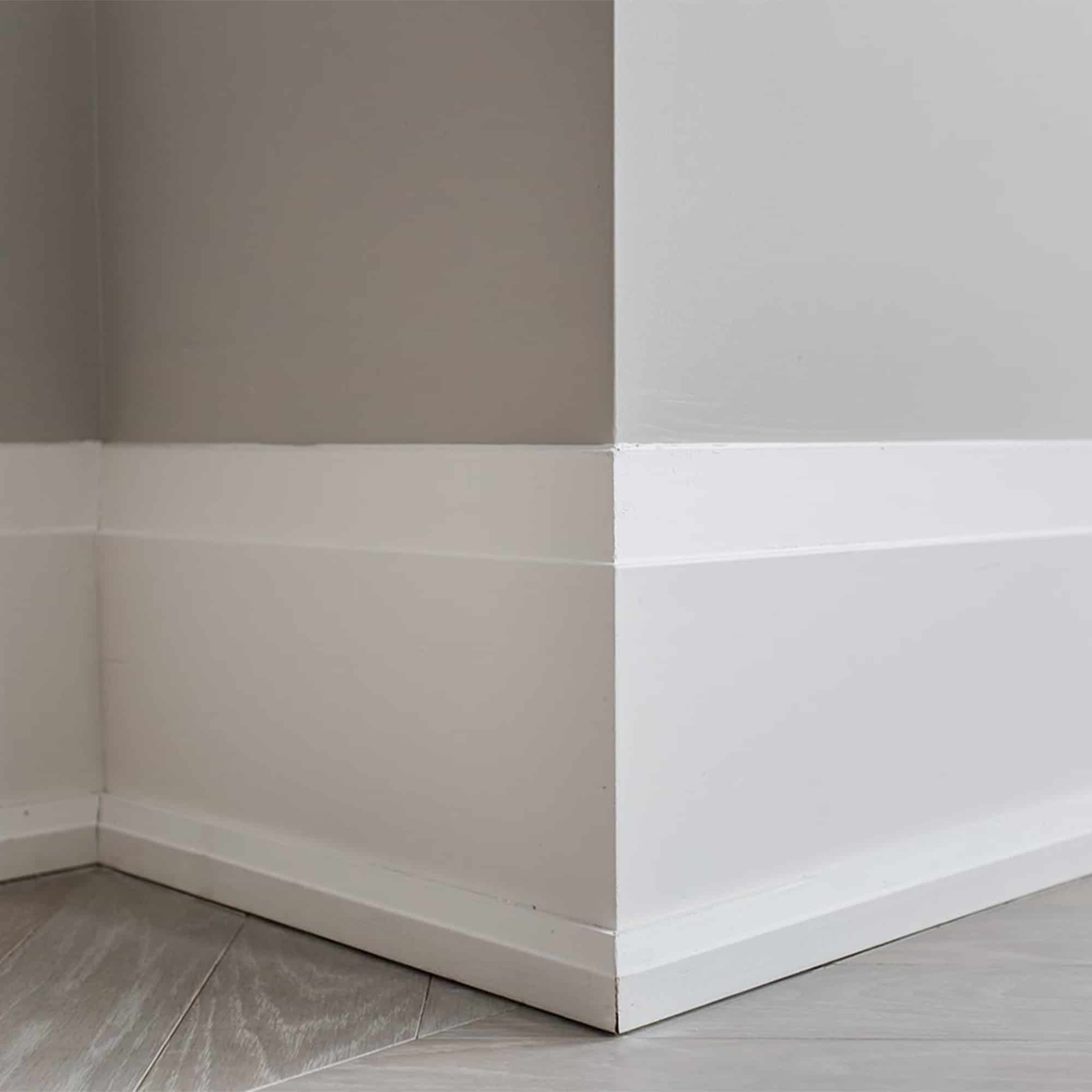
If your baseboards are pulling away from the wall, you may wonder whether something bigger is happening. A baseboard separating can result from normal movement, installation problems, moisture, or changes within the home. In Phoenix, Arizona, our extreme temperatures can also affect building materials over time. Before planning a major home remodeling project, it helps to understand what may be causing those visible gaps.
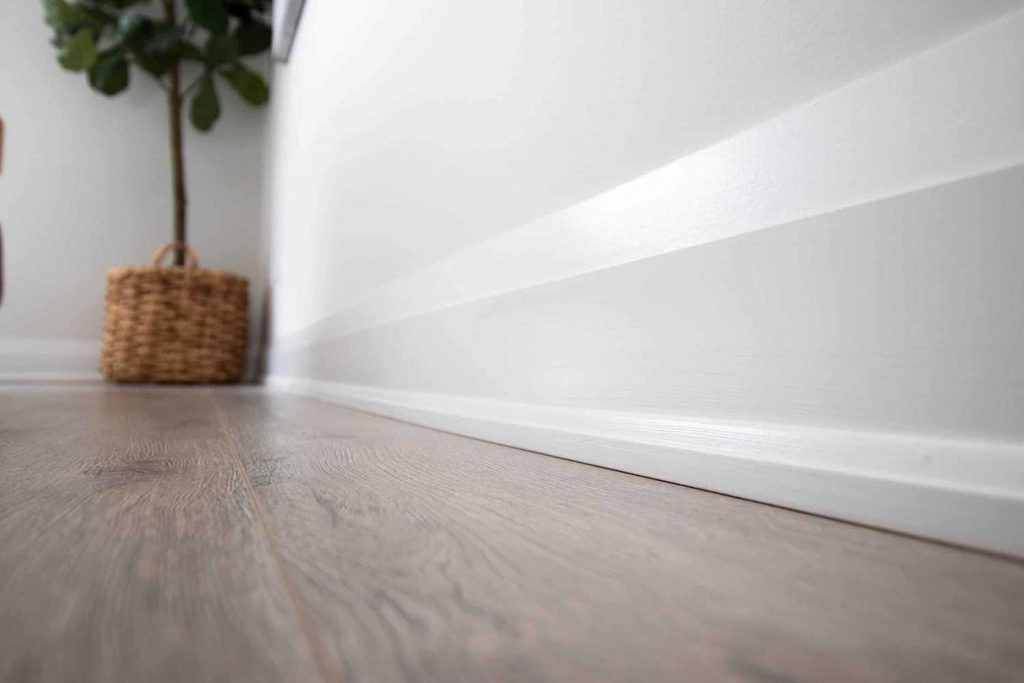
Why Are Baseboards Separating From the Wall?
Baseboards can separate from walls when the trim, drywall, framing, or flooring moves after installation. In many cases, you can repair the cosmetic problem fairly easily.
However, larger gaps or recurring movement may point to another issue. The location and severity of the separation can help determine what is happening.
Arizona homes also experience unique environmental conditions. Intense summer heat and dry air can cause materials to expand, contract, or shift throughout the year.
Baseboards Can Move as Your Home Settles
Homes naturally experience some movement as they age. Newer homes may settle as building materials adjust and the soil beneath the structure changes.
As a result, small gaps can develop between the trim and drywall. You may notice the problem along one wall or near corners.
Minor settling does not automatically mean there is a structural problem. Still, noticeable or rapidly changing gaps deserve closer attention.
Phoenix-area soil conditions can vary considerably between neighborhoods. Homes in Mesa, Chandler, Scottsdale, Glendale, and surrounding communities may experience different levels of soil movement.
Arizona Heat Can Affect Baseboards and Building Materials
Phoenix summers put building materials through demanding conditions. Outdoor temperatures regularly become extreme, while indoor spaces remain air-conditioned.
These temperature differences can affect wood, MDF, drywall, adhesives, and framing materials. Small amounts of expansion and contraction can occur throughout the year.
Over time, the caulk along the top edge may crack. The trim can then appear to be pulling away from the wall.
Dry conditions can also cause certain wood products to shrink slightly. Consequently, gaps that were previously hidden may become more noticeable.
Improper Installation Can Cause Separation
Sometimes the problem begins during installation.
Trim should be securely fastened to the framing behind the drywall. If nails miss the studs, the material may eventually loosen.
Too few fasteners can create similar problems. Likewise, an uneven wall can prevent the trim from sitting flush against the surface.
Installers often use caulk to create a clean finished edge. However, caulk should not be relied upon to hold loose trim against a wall.
If the underlying installation is weak, simply applying more caulk may only hide the problem temporarily.
Could Moisture Cause Baseboard Separating?
Yes. Moisture can cause trim materials to swell, warp, or pull away from surrounding surfaces.
Although Phoenix has a dry climate, water damage still happens. Plumbing leaks, air-conditioning condensation, roof leaks, and exterior water intrusion can affect interior walls.
Look closely at the surrounding area. Discoloration, bubbling paint, soft drywall, or swollen trim may indicate moisture.
A musty smell can also suggest hidden water exposure. In that situation, the source should be identified before cosmetic repairs are completed.
Covering the gap without addressing moisture can allow additional damage to develop behind the wall.
Baseboards Can Reveal Flooring Movement
The wall itself is not always responsible.
Flooring installation or movement can change how trim appears against the wall. This is especially noticeable after replacing tile, laminate, vinyl plank, or hardwood flooring.
For example, removing thicker flooring can leave visible gaps underneath existing trim. New flooring may also require different expansion clearances.
During renovation projects, contractors may remove and reinstall the trim for a cleaner finish. This allows the height and positioning to match the new floor.
Therefore, separation noticed after flooring work may be related to the renovation rather than structural movement.
When Is a Baseboard Gap Just Cosmetic?
A small, consistent gap is often cosmetic. It may only require refastening, caulking, patching, and repainting.
However, the repair should match the actual cause.
Loose trim should be properly secured before caulk is applied. Otherwise, movement may continue and the new caulk line could crack again.
Cosmetic repairs work best when the wall and trim remain stable. Larger or changing gaps should be evaluated before they are covered.
What Warning Signs Should Phoenix Homeowners Watch For?
One isolated gap usually provides limited information. Multiple changes appearing together deserve more attention.
Watch for doors that suddenly stick or no longer close correctly. Cracks developing around windows and door frames can also indicate movement.
Uneven flooring may be another sign. Additionally, diagonal drywall cracks or recurring trim separation should not be ignored.
These symptoms do not automatically confirm foundation damage. Several less serious conditions can produce similar signs.
A professional inspection can help identify the actual source before unnecessary repairs are made.
Should Baseboards Be Repaired or Replaced?
That depends on their condition.
Trim that remains straight and undamaged can often be resecured and refinished. Nail holes can be filled, edges recaulked, and surfaces repainted.
Replacement may make more sense when the material is warped, swollen, cracked, or heavily damaged.
Updating trim can also transform a room without requiring a complete renovation. Taller or more modern profiles can create a noticeably cleaner appearance.
For homeowners already completing a renovation, replacing outdated trim may provide a more consistent finished result.
Baseboards and Home Remodeling in Phoenix
Trim details may seem small, but they influence how finished a room feels.
Poorly fitted trim can make freshly painted walls or new flooring look incomplete. Clean installation creates smoother transitions between walls and floors.
AZ Builder Solutions works with homeowners throughout Phoenix and surrounding communities on interior improvements and renovation projects.
Whether you are dealing with damaged trim or planning broader updates, identifying the underlying problem should come first.
Get Your Baseboards Looking Right Again
Gaps between trim and walls can develop from settling, Arizona’s climate, moisture, flooring changes, or improper installation. The right repair depends on what caused the movement.
If the gap keeps returning, simply adding another line of caulk may not solve it.
AZ Builder Solutions can evaluate the area and recommend a practical solution based on the condition of your home. From smaller interior repairs to larger remodeling projects, proper preparation helps create a cleaner and longer-lasting finish.
If something around your walls or flooring does not look right, having it inspected early can prevent a small problem from becoming a larger project.
0 Comments